Introduction
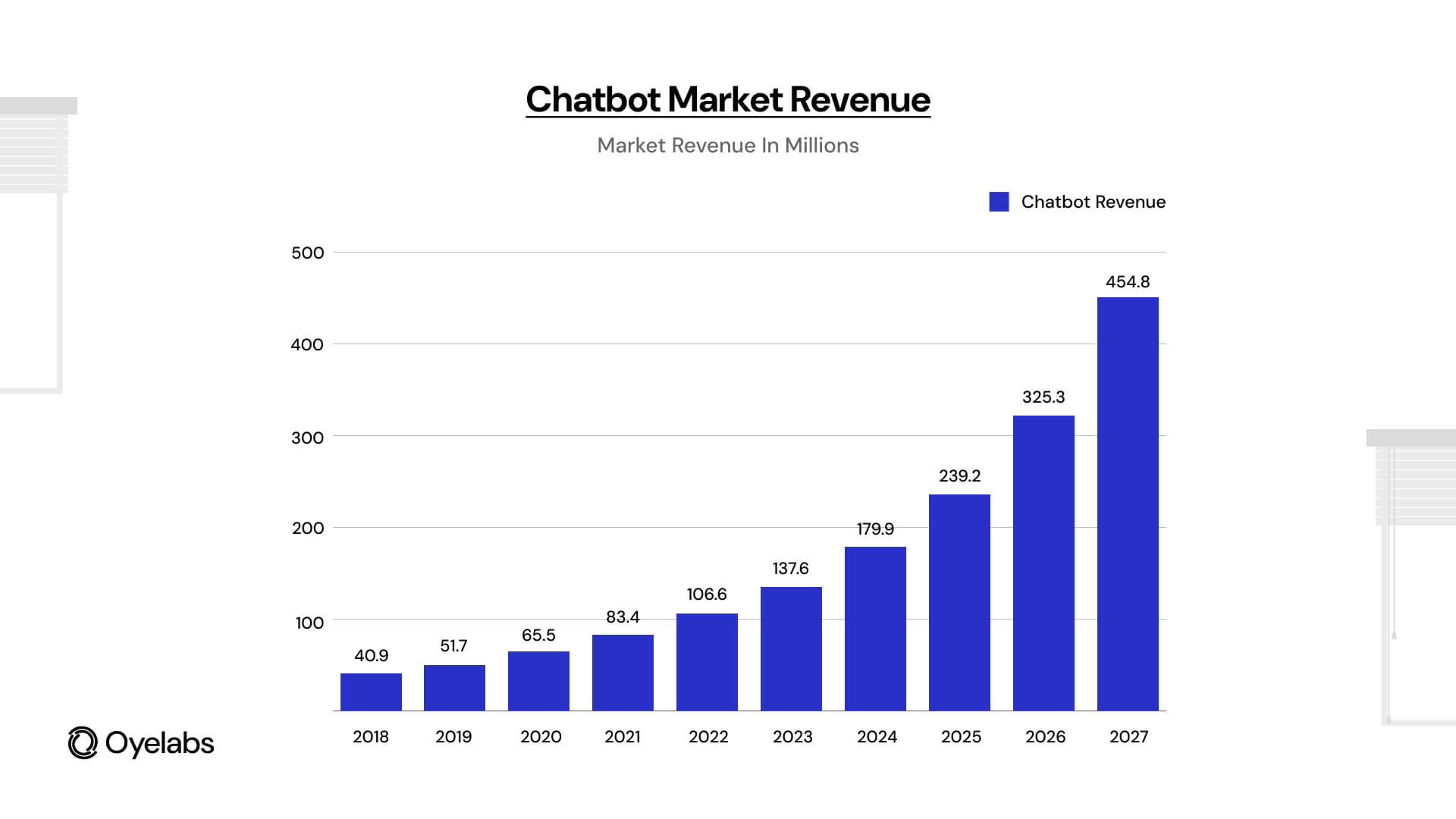
The growth of artificial intelligence-powered chatbots has revolutionized business domains across the globe, including client assistance to online shopping and various other fields. As we move into the next phase, AI chatbot development is set to advance to a new level, integrating cutting-edge systems to deliver customized, efficient, and smooth user interactions.
With the growing need for AI-driven solutions, organizations are embracing AI-powered assistants to streamline user engagement, boost customer service, and automate business processes.
This write-up will delve into the trajectory of AI chatbot development, reviewing key developments, significant AI-powered enhancements, and the anticipated influence on multiple sectors in the upcoming era.
Understanding AI Chatbot Advancements
Machine learning-driven assistants have progressed rapidly over the past decade, shifting from simple scripted bots to more sophisticated, machine learning-driven mechanisms.
Today, virtual conversational agents can process complex client concerns, perform transactions, and even anticipate user behavior by analyzing previous interactions.
According to a report by AI specialists, companies are estimated to reduce costs by over $11 billion each year by 2025 by implementing machine learning-driven assistants, positioning AI chatbots as a transformational tool in various industries.
In the coming era, AI chatbot development will expectedly continue to improve, with the adoption of human language understanding, emotion detection, and audio-based interaction models to enhance the customer journey.
These improvements will enable chatbots to understand the nuances of human language more effectively, resulting in hyper-customized conversations and enhanced user experiences.
The Future Landscape of AI Chatbot Technology
As we look ahead to 2025, several trends are likely to shape the future of AI chatbot development. These developments will play a critical role in how businesses leverage AI assistants to meet customer needs and streamline their service delivery.
Omnichannel AI Chatbot Expansion
AI chatbots will turn into even more connected across various platforms, such as social media, websites, digital tools, and instant chat applications like Telegram and Facebook Messenger.
This cross-platform accessibility will enable that enterprises can connect with users on their preferred platforms, improving ease of interaction and convenience.
Tailored User Interactions
Conversational AI models will more effectively utilize customer insights and predictive AI to offer customized interactions.
By analyzing customer actions, preferences, and previous engagement, chatbots will have the capability to customize conversations, offer purchase guidance, and anticipate user needs.
Conversational AI with Voice Input
Voice recognition technology is expected to reshape AI conversations, empowering users to interact with virtual assistants via spoken queries.
With voice assistants like Amazon Alexa and Google Assistant already gaining widespread adoption, speech-interactive virtual assistants will evolve into a standard tool in various sectors, especially in e-commerce, medical services, and service-based businesses.
AI Chatbots for Data Analytics
AI chatbots will extend past customer service and function as business intelligence assets for collecting strategic data.
By tracking user behavior, chatbots will help businesses understand their customer preferences and preferences, facilitating AI-backed strategies that enhance promotional efforts, business model optimization, and client satisfaction.
Emotionally Aware Conversational AI
As intelligent bots turn into increasingly sophisticated, empathetic AI will be a crucial feature.
In the upcoming phase, AI assistants will be designed to recognize user moods by analyzing language cues, speech patterns, and situational factors.
This ability will allow them to deliver sensitive and thoughtful interactions, building stronger relationships with users.
The Role of Machine Learning and NLP in Chatbot Development
Computational intelligence and linguistic AI serve as the foundation for AI chatbot development. These tools enable intelligent bots to interpret, analyze, and reply to human interactions with greater precision.
Machine learning algorithms enable chatbots to improve through historical data, optimizing their accuracy with each conversation.
As chatbots digest larger datasets, they grow highly proficient in anticipating customer expectations and providing context-aware responses.
AI-driven text processing, on the AI-powered virtual assistants for enterprises other hand, allows chatbots to understand text-based communication, including colloquialisms, regional dialects, and various dialects.
In combination, ML and NLP will play a significant role in the interactive potential of intelligent bots by the coming years.
AI-Powered Customer Service: The Future of Assistance
Consumer assistance is one of the most significant areas where AI chatbots are making a profound impact.
By handling repetitive processes, AI-powered assistants free up human agents to focus on higher-priority tasks, creating instant support and enhanced user experience.
According to a report from PwC, over half of consumers are inclined towards businesses that provide instant messaging options like virtual support agents, indicating the increasing necessity for efficient and accessible support solutions.
As intelligent chatbot capabilities advances, AI virtual assistants will grow into better at handling complex queries, cutting down the dependency on live agent support in most interactions.
The Role of AI in Online Shopping
In the online shopping industry, AI-powered shopping guides will transform into indispensable components for driving sales and enhancing customer journeys.
By integrating with digital marketplaces, machine learning-driven sales agents can deliver customized shopping suggestions, clarify doubts, and even complete transactions.
This intelligent shopping assistance is anticipated to increase conversion rates and user retention.
A report by Grand View Research forecasts that the AI-powered shopping industry will reach $23.6 billion by the near future, propelled by the growing demand for intelligent automation like virtual sales assistants.
With chatbot intelligence to recommend products by assessing past actions, chatbots are poised to become a core component in shaping the future of e-commerce.
The Growing Demand for AI Chatbots in Healthcare
In the healthcare sector, AI chatbots are reshaping how individuals interact with providers.
Conversational AI tools can manage bookings, send prescription alerts, and even offer initial diagnoses through evaluating user input.
This is particularly important in regions with limited access to healthcare professionals, where chatbot technology can fill the void and provide timely care.
By the near future, we can anticipate an even stronger integration of healthcare virtual assistants, with chatbots managing a broader range of medical functions, including long-term patient tracking and counseling guidance.
According to a study by healthcare AI specialists, AI in healthcare could unlock $150B in annual savings for the sector by the next few years.
Security and Privacy Concerns in AI Chatbot Development
As machine learning-powered assistants turn into deeply embedded across multiple sectors, data protection will be top priorities.
With personal information being shared between customers and automated support systems, it is essential to implement strong encryption standards to secure this information.
By the near future, AI security experts will be responsible for give emphasis to embedding next-generation data protection, two-factor authentication (copyright), and comprehensive protective protocols to maintain that user data stays secure.
Additionally, machine learning-driven assistants will be expected to follow privacy regulations like GDPR to prevent compliance violations and establish credibility with clients.
AI Chatbots and the Future of Job Roles
While machine learning-powered assistants are likely to handle routine processes, they will also generate fresh career prospects.
Companies will need specialists with expertise in machine learning to develop, supervise, and improve chatbot systems.
As AI technology continues to evolve, the requirement for technical talent in AI-powered customer service will expand, creating a fast-growing AI industry.
By 2025, professionals who focus on AI will be highly sought after across industries like user engagement, healthcare, banking automation, and retail.
Final Thoughts
The future of machine learning-driven virtual assistants in 2025 offers exciting possibilities, including hyper-customized user engagement and voice-activated features to empathetic AI responses and AI-driven customer insights.
As companies expand their adoption of intelligent automation, chatbots will serve an even greater role in shaping customer interactions, optimizing business workflows, and offering strategic intelligence.
For businesses looking to stay ahead, adopting conversational AI solutions is not just an innovation—it's a strategic move towards market leadership and sustainable expansion.
Next Steps
Is your brand prepared for the AI-driven customer engagement upcoming advancements of AI-driven customer engagement in the coming years?
The opportunities for innovation are limitless, and being future-ready demands the best AI solutions and specialized knowledge.
If you're interested in developing your AI chatbot capabilities, now is the time to take action.